
Corporate Chauffeur Service, In today’s rapidly paced corporate world, presentation matters more than ever. Being stylish and comfortable at an important meeting, client dinner or industry conference can be very impactful. This is the core essence of a Corporate Chauffeur Service that provides reliable, luxury and professional travel solutions tailored to business executives’ needs.
What Is a Corporate Chauffeur Service?
A corporate chauffeur service is a specialized mode of transport designed to fit into the demands of the corporate world. It has high-quality cars, professional drivers, and many other features that make your business trip easy, efficient, and stress-free. This service caters to all your needs for airport transfers, meeting transportation or whole-day hire for business trips.
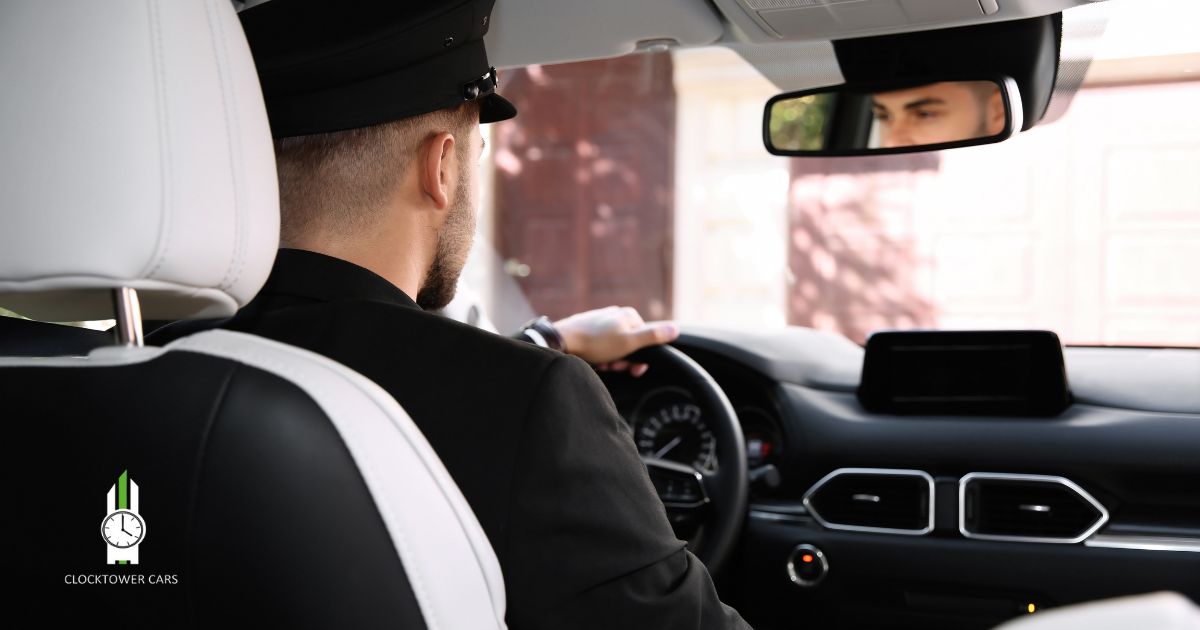
Why Choose a Corporate Chauffeur Service?
Professionalism and Image
The first impression counts. Arriving at a business appointment with a chauffeured luxury vehicle improves your company’s image by indicating its commitment to excellence. The issue is not only about moving from point A to B but making an announcement.
Punctuality
Time is money in the corporate world In this case; every second delay costs you money- A Corporate Chauffeur Service guarantees that you are always punctual with well-trained chauffeurs who know the best routes and real-time traffic information hence you can be sure that your plan will be adhered to strictly.
Comfort and Convenience
Business traveling can be tiring – Sometimes you may need comfort on wheels which means being driven around while relaxing or preparing for such meetings elsewhere; This is exactly what a Corporate Chauffeur Service offers you through having luxurious vehicles With services like WI-FI, refreshments or controlled climate conditions made possible within these vehicles convert them into productive offices on wheels.
Safety and Reliability
Professional chauffeurs undergo intensive training together with background checks thus ensuring that you are in safe hands. Additionally, the vehicles also undergo regular maintenance to meet safety standards of the highest level. When traveling within town or to a remote place, rely on this service.
Stress-Free Travel
When city traffic is no longer a problem for you; finding parking lots is not a headache and public transportation does not annoy you. Dealing with these small things can be so frustrating at times especially when one has corporate issues to deal with hence a Corporate Chauffeur Service helps greatly by getting rid of these worries from your mind thus enabling you to concentrate only on your business.
Key Features of a Corporate Chauffeur Service
Luxury Vehicles
A fleet of luxury vehicles is what makes up a Corporate Chauffeur Service. Whether it is an elegant salon, spacious SUV or posh limousine, they have all sorts of cars that would satisfy your personal preferences.
Professional chauffeurs
The drivers are central in this service because they are not mere drivers but professionals who understand the importance of confidentiality as well as being punctual and serving customers properly; Therefore, their training is thorough so that your ride becomes more comfortable and less jerky.
Flexible booking options
Business trips usually do not follow any pattern which may be sometimes difficult to anticipate That’s why there are flexible booking conditions offered by such service providers as last-minute rides, whole-day hires, etc.
Real-time tracking
Follow your journey through real-time tracking This feature helps you monitor where your car is so that it remains transparent about its whereabouts leading to peace of mind for passengers
Personalized Service
Each business is unique and so are its travel requirements. Customized services that suit what you want to achieve are provided by a Corporate Chauffeur Service. Their service is adaptive from customized routes to special requests, to ensure complete satisfaction.
Special Events Transportation
A Corporate Chauffeur Service does not only come in handy for everyday corporate travel but also for special events too. Such vehicles add some touch of class and ensure the smooth running of corporate galas, team building events and client dinners.
Weddings
Corporate occasions like weddings which involve invitations to business partners or customers ought to be thoroughly planned for. The chauffeured service allows every invitee to arrive at the wedding in good time and in style.
Office Events
For company parties or team outings, let a Corporate Chauffeur Service handle logistics as you focus on the event itself.
Hotel Dinners
Do you wish to hold a dinner for clients/colleagues? It would really impress them if you have a luxury transportation system taking them to/from your place.
Theaters and Operas
Make your evening out at the theater or opera even more special by arriving in a luxury vehicle.
Private Tours
When entertaining out-of-town guests who are prospective clients, there’s no better way than booking them rides around town in chauffeur driven cars.
Music Concerts and Nightclubs
For business associates that enjoy nightlife; their safety can be guaranteed when going home from their meetings through Corporate Chauffeur Services.
Areas of Operation
Typically, A Corporate Chauffeur Service operates mainly in major business hubs ensuring that executives’ access reliable transportation wherever they may be. For instance, Clocktower Cars operates within Surrey providing services such as Epsom, Guildford, Ewell, Sutton and Godalming areas where executives may live or visit for work purposes; thus, being a premier choice for business travelers who are based in or planning to visit these areas.
Setting up a corporate taxi account
When a member of staff needs to reach Heathrow for a morning flight, or a client needs collecting from a station at short notice, ad hoc bookings and expense claims quickly become an admin burden. That’s why many businesses set up a corporate taxi account instead: a standing arrangement that gives structure to business travel, control over who is authorised to book, and one clear billing relationship instead of dozens of individual receipts.
Setting one up is straightforward. Get in touch with details of your business and the kind of travel you need covered — regular airport transfers, client collections, executive travel, or a mix — and we’ll agree authorised bookers, billing terms and any preferred vehicle types before your account goes live. From that point, your team can book directly by phone, app or online without individually arranging payment each time.
Billing and invoicing, made simple
A good corporate account invoicing process should remove admin friction, not add to it. In practice that means three things happen at once: booking stays quick and simple for the traveller or office team, the business has enough visibility to keep control of spend and prevent misuse, and finance receives a clear invoice that’s easy to check against actual travel — showing who travelled, when, and for what journey.
We agree billing terms and invoicing frequency (weekly, monthly, or whatever suits your finance process) at account setup, so there are no surprises later — just a predictable, easy-to-reconcile bill covering all your team’s journeys in one place.
Why Choose Clocktower Cars for Your Corporate Chauffeur Service?
When talking about business travel, there is one company that has been trusted over the years of its existence – Clocktower Cars. The reputation of Clocktower Cars as an industry leader in terms of service delivery quality, dependability and professionalism has been built on years of experience.
Competitive Rates
With rates starting from £5 only, you can enjoy luxury transportation at affordable prices with Clocktower Cars whether you operate a small enterprise or a multinational organization.
Experienced Chauffeurs
The chauffeurs at Clocktower Cars are highly trained professionals who understand the unique demands of corporate travel. They ensure their customers receive discreet, dependable services all through.
Luxury Fleet
There’s a variety of luxury vehicles fitted with the latest gadgets to guarantee your comfort and convenience.
Punctuality
One thing that defines Clocktower car services is timeliness; thanks to real-time tracking and route optimization techniques that exist to make sure you don’t miss out on any appointments or deadlines.
Personalized Service
The needs of each client differ and this is something well-understood by the people at Clocktower Cars. With them every detail matters whether it’s about having a tailor-made itinerary just for yourself, taking special requests or picking out a personalized program for your next trip as even the route will be crafted according to your taste alone.
Conclusion: Elevate Your Business Travel with a Corporate Chauffeur Service
Traveling in style carries weight in the corporate world; therefore, consider using A Corporate Chauffeur Service instead of just moving from one location to another. This service offers more than transport; it creates an experience where visitors move around in luxurious vehicles driven by professionals whose services are uniquely designed for business executives like you
If you are going to a meeting, attending an occasion, or just need a car for your daily commute, Corporate Chauffeur Services will ensure that you arrive at your destination in style, promptly, and without any stress. With Clocktower Cars, you will get all this and more, making it the best option for your corporate travel needs.
How To Find Our Taxi In Your Area
Your Can Simple Search on google for getting a taxi from clocktower by “search for your area name + Taxi”. Here are the search queries: epsom taxis, reigate taxis, godalming taxis, bookham taxi, tadworth taxis, leatherhead taxis, banstead taxis, sutton taxis, cheam taxis, dorking taxis, weybridge taxis, richmond taxi, kingswood taxi, chessington taxi, wellington taxis, coulsdon taxi, ewell taxi, horsley taxis, worcester park taxis, carshalton taxi, guildford taxis, cobham taxis, farnham taxi, redhill taxi, esher taxis, morden taxi, ripley taxi , walton taxi, twickenham taxi, molesey taxi, farncombe taxi, claygate taxi, thames ditton taxi, surbiton taxis and ashtead taxis.
FAQs About Corporate Chauffeur Service
How do I book a Corporate Chauffeur Service?
You can reserve online, by phone, or through their mobile app. With Clocktower Cars, you also have the benefit of flexible booking options.
What types of vehicles are available for corporate chauffeur services?
The service offers a variety of luxurious automobiles including saloons, SUVs as well as limos that each comes with up-to-date facilities.
Can I tailor the service to fit my business requirements?
Yes- A corporate chauffeur service offers tailored services that allow customization of routes, timetables, and other issues to meet specific individual needs.
Is the service available for special events?
Certainly! You can arrange the service around special events such as weddings or office functions or even when planning a night out.
Which areas do Clocktower Cars serve?
Surrey is extensively covered by Clocktower Cars with Epsom being one of them. Other places include Guildford, Ewell Sutton, and Godalming among others.